Why Consumers Are Switching to Smart Appliances
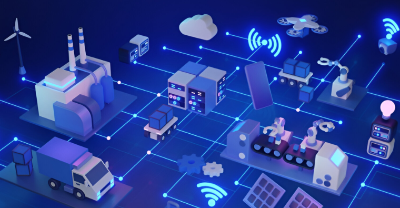
More and more young people are demanding more than just basic functionality from their homes; they are pursuing a more convenient and intelligent lifestyle. With the widespread application of technologies such as AI and the Internet of Things (IoT), smart homes are gradually becoming a common sight in households. Smart appliances are home appliances that incorporate microprocessors, sensor technology, and network communication technology, possessing functions such as automatic sensing, control, and information sharing. As a component of smart homes, their core characteristics include interconnectivity, intelligent control, and energy management.
What is a Smart Home?
Many people mistakenly believe that "smart appliances = smart home." In reality, a true smart home connects all smart appliances. Using the residence as a platform, smart homes integrate and interconnect home devices using technologies such as computers, IoT, and integrated wiring. Data is shared, and through various methods such as voice assistants and mobile apps, local and remote intelligent control of devices such as lighting, electrical appliances, audio-visual entertainment, security monitoring, and ventilation systems can be achieved.
Advantages of Smart Homes
Smart appliances bring immense convenience.
For example, a smart refrigerator can monitor the freshness of food in real time through built-in sensors and provide reminders based on the food's expiration date, allowing users to stay informed about the food's condition and plan their meals accordingly. A smart washing machine can automatically adjust the washing mode and time based on the fabric and level of soiling of clothes, eliminating the need for manual settings and saving significant time and effort. A smart air conditioner can be remotely controlled via a mobile app, allowing users to pre-set the indoor temperature before arriving home, ensuring a comfortable environment upon entering.
Smart technology helps improve the quality of life.
Smart robotic vacuum cleaners automatically sweep away dust, keeping homes clean and freeing people from tedious housework, giving them more time to enjoy life. Smart speakers can play music and retrieve information based on user voice commands, providing a personalized music experience. Smart TVs not only offer clear picture quality but also feature intelligent recommendation functions, pushing favorite programs based on the user's viewing habits to meet diverse entertainment needs.
Smart technology is also an inevitable trend in technological development.
With the continuous advancement of technologies such as artificial intelligence and the Internet of Things, smart home appliances have become possible. The application of these technologies enables home appliances to interconnect, forming a smart home ecosystem. Users can control multiple smart home appliances with a single device, achieving a more intelligent and integrated living experience. Furthermore, smart appliances can continuously undergo software upgrades, becoming increasingly powerful and better adaptable to people's ever-changing lifestyle needs.

What are the control methods for smart homes?
Traditional home control methods include switches, remote controls, and buttons on the appliance itself. These scattered control points are cumbersome to operate.
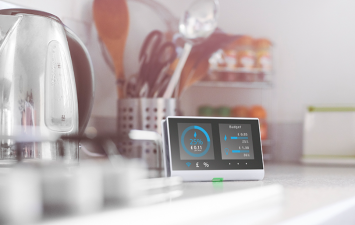
Smart homes, on the other hand, centralize the control of all home appliances into a single control panel, allowing for unified management. Control can be conveniently achieved anytime, anywhere via touchscreen panels, voice commands, mobile apps, and timers.
Why are people choosing smart homes?
- Technological advancements: With the development of technology, the application of various intelligent technologies (such as the Internet of Things, artificial intelligence, and big data) is becoming increasingly widespread, enabling home appliances to achieve intelligence.
- User needs: Modern life is fast-paced, and people's demands for home appliances are becoming increasingly diverse and personalized. Smart appliances can meet various user needs, such as remote control and automated operation.
- Energy saving and environmental protection: Smart appliances can achieve more efficient energy use through precise data analysis and control, thus achieving energy-saving and environmentally friendly effects. - Improved Quality of Life: Smart home appliances can greatly simplify people's lives and improve their quality of life. For example, smart refrigerators can automatically adjust the temperature based on stored food, and smart washing machines can automatically select the most suitable washing program based on the fabric of the clothes.
- Market Competition: In the fierce market competition, smart home appliances have become an important competitive advantage for home appliance companies. By launching smart home appliance products, companies can attract more users and increase their market share.